
Castell de Montjuïc
Juan Martín Cermeño
Historic fortress overlooking the port, shaping Barcelona's strategic and maritime identity for centuries.

Costabella Sailing Events · Barcelona 2026
Digital Skyline Map
Architectural interpretation of Barcelona from the sea, revealing the city through its skyline, culture and urban evolution.
Explore Barcelona's skyline as a sequence of architectural landmarks, each revealing a moment in the city's urban evolution.
From port infrastructure to contemporary architecture, the coastline reveals how Barcelona reconnected with the sea.
A curated selection of architectural landmarks that define Barcelona's evolving maritime identity.
Juan Martín Cermeño
Historic fortress overlooking the port, shaping Barcelona's strategic and maritime identity for centuries.

Gaietà Buïgas · Escultor: Rafael Atché
Monumental column marking Barcelona's symbolic opening to the sea at the foot of La Rambla.
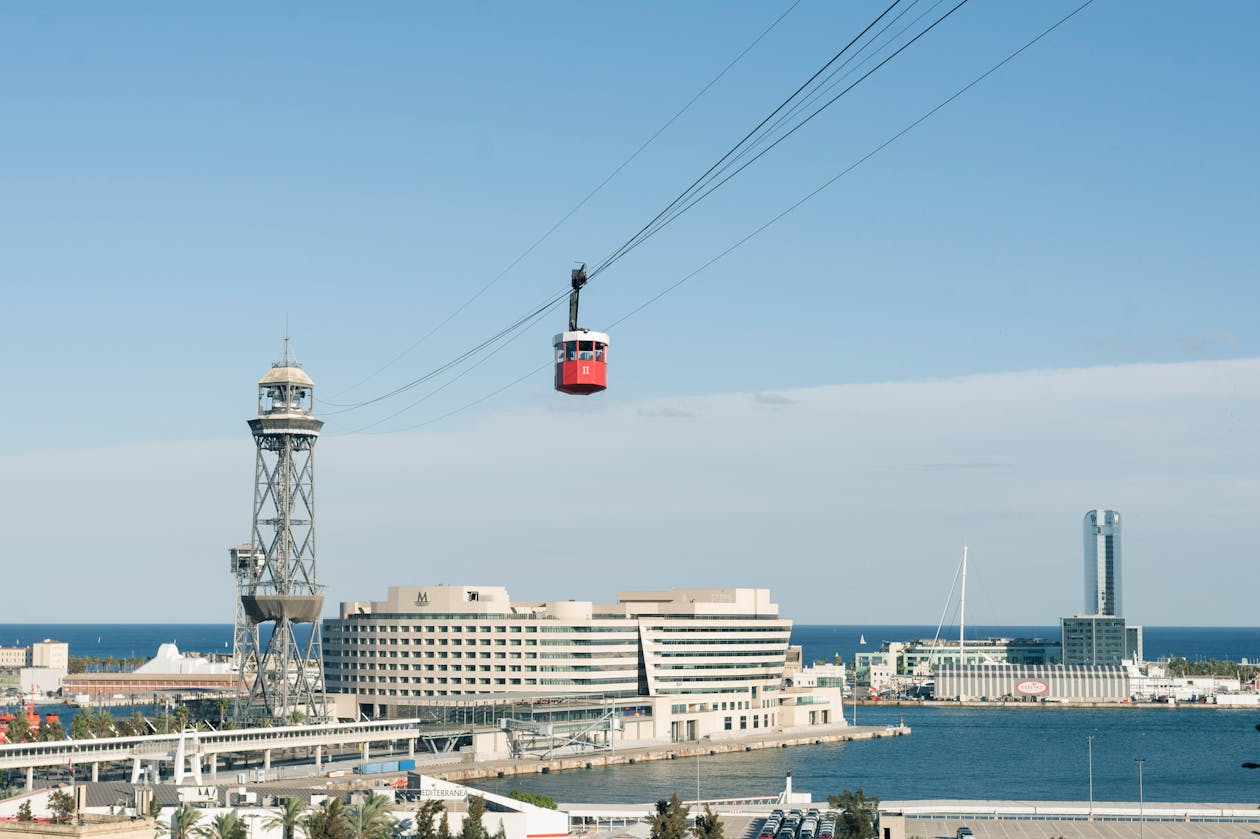
Carles Buïgas & Friedrich Gründel
One of the world's tallest cable car towers, linking the port with Montjuïc through bold engineering.

Henry N. Cobb & Ieoh Ming Pei
Curved waterfront complex reflecting Barcelona's role as an international maritime and business hub.

Ricardo Bofill
Sail-shaped icon redefining the city's contemporary relationship with the Mediterranean.
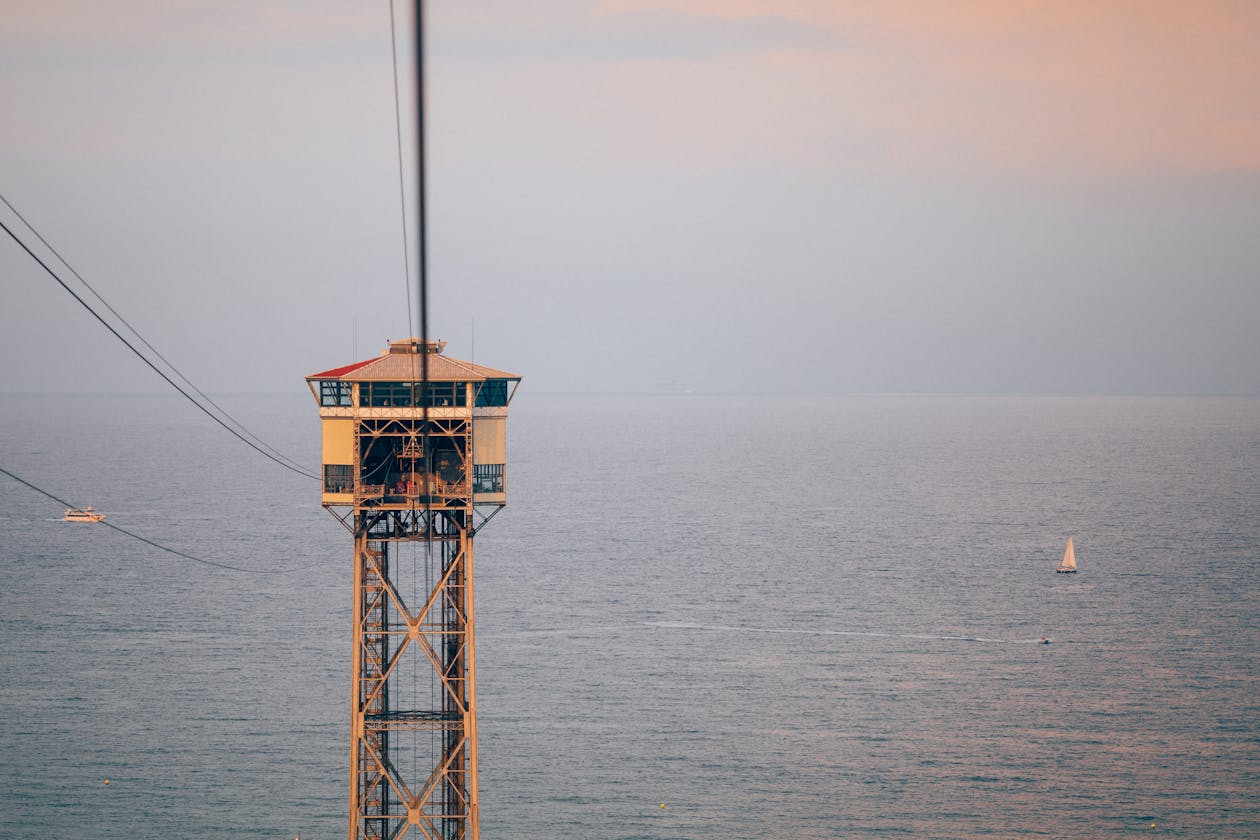
Carles Buïgas & Friedrich Gründel
Harbor tower at Barceloneta anchoring the Port Cable Car and the city's maritime skyline.

Enric Sagnier i Josep Maria Sagnier
Hilltop basilica crowning Barcelona's skyline with a spiritual presence visible from the sea.
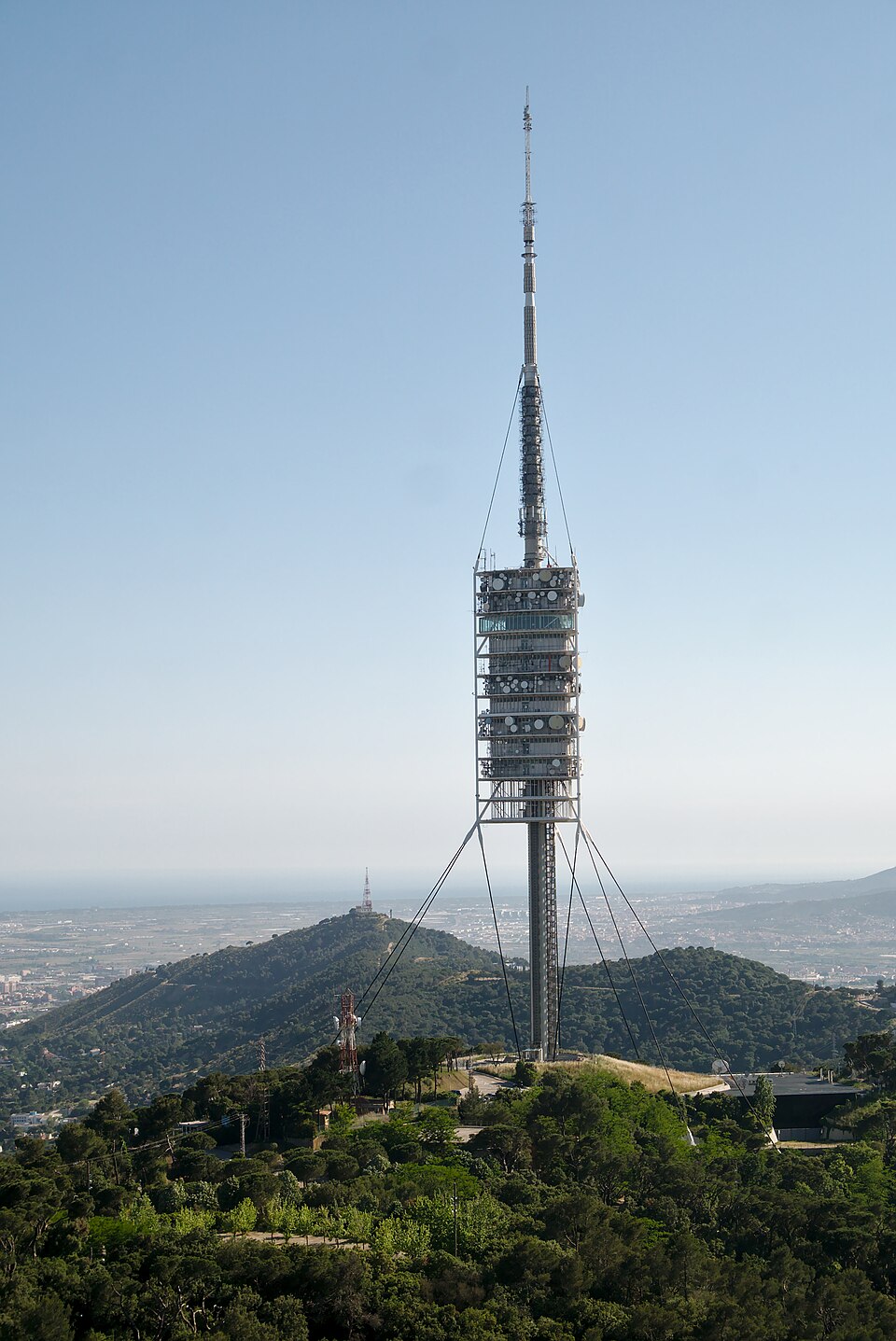
Norman Foster
Slim telecommunications tower by Norman Foster crowning the Collserola hills with a high-tech needle silhouette.

Manuel Brullet & Albert de Pineda
Elliptical research building representing Barcelona's scientific ambition on the waterfront.
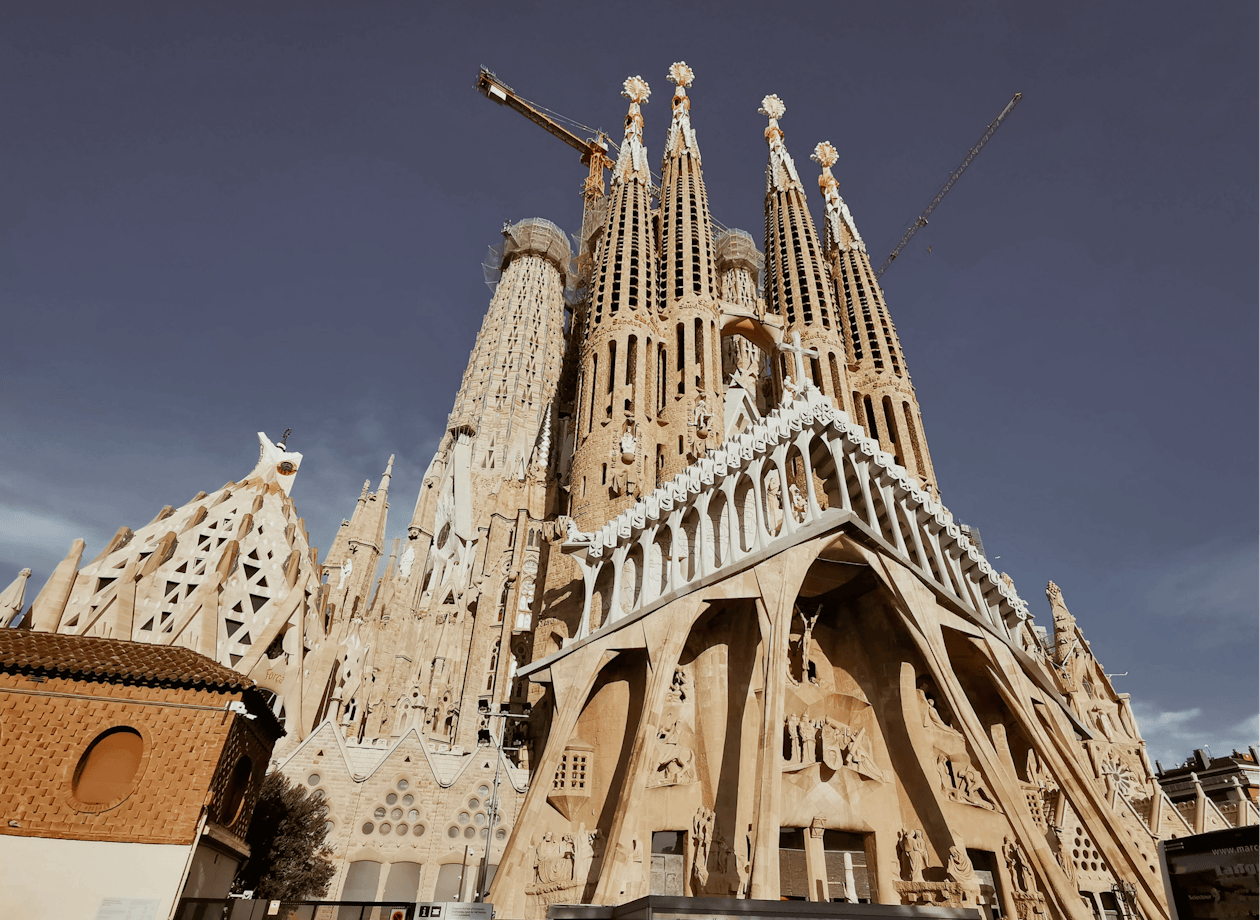
Antoni Gaudí
Gaudí's masterpiece rising above the city, with the Tower of Jesus now crowned by its monumental cross.
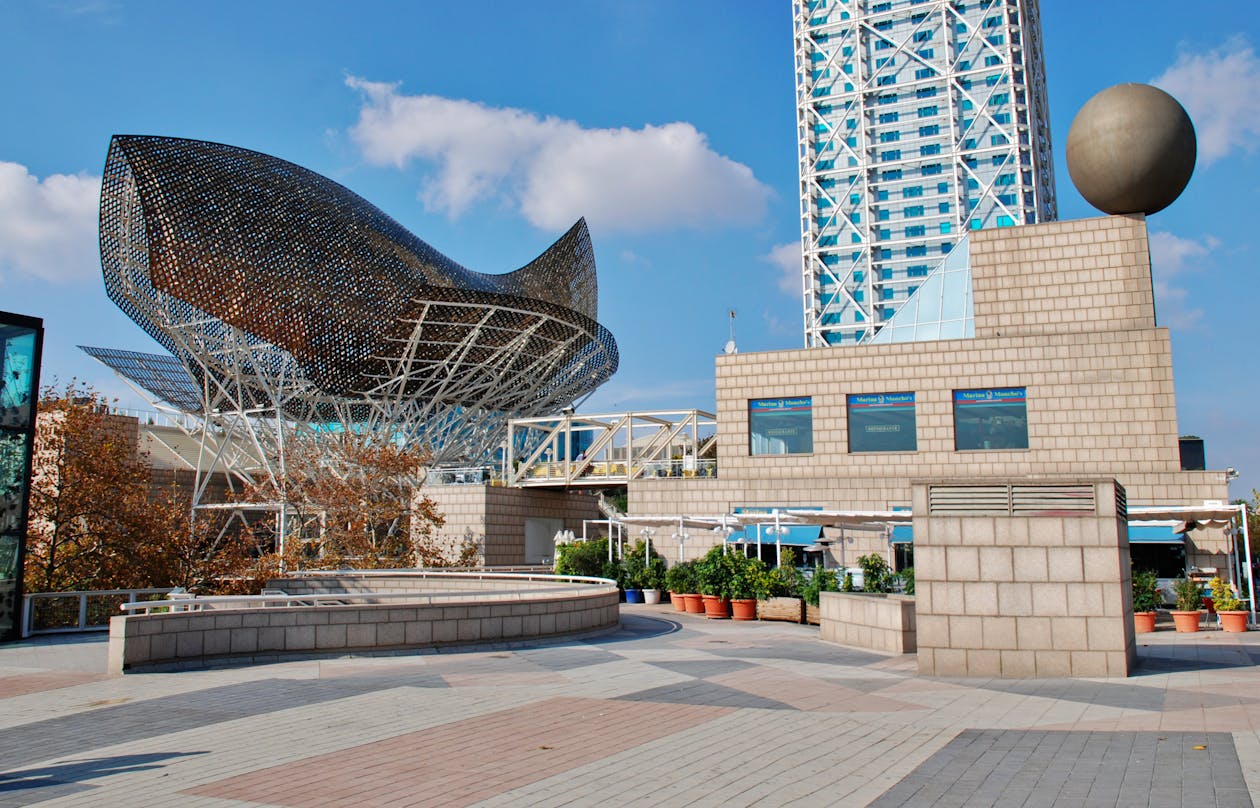
Frank Gehry
Golden fish sculpture capturing Mediterranean light and the creative energy of Olympic Barcelona.
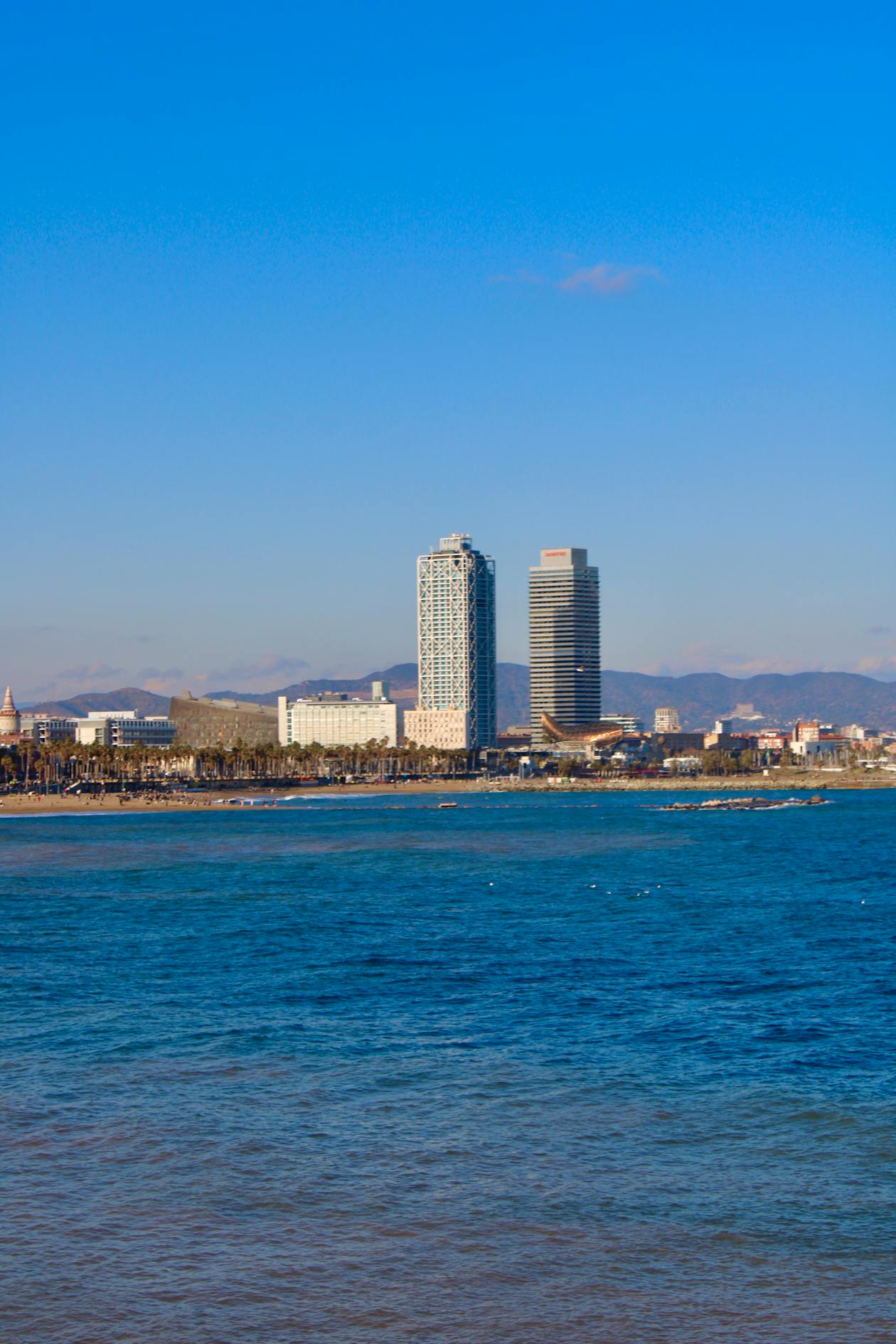
SOM · Íñigo Ortiz & Enrique de León
Twin Olympic towers that opened Barcelona vertically and visually to the sea in 1992.
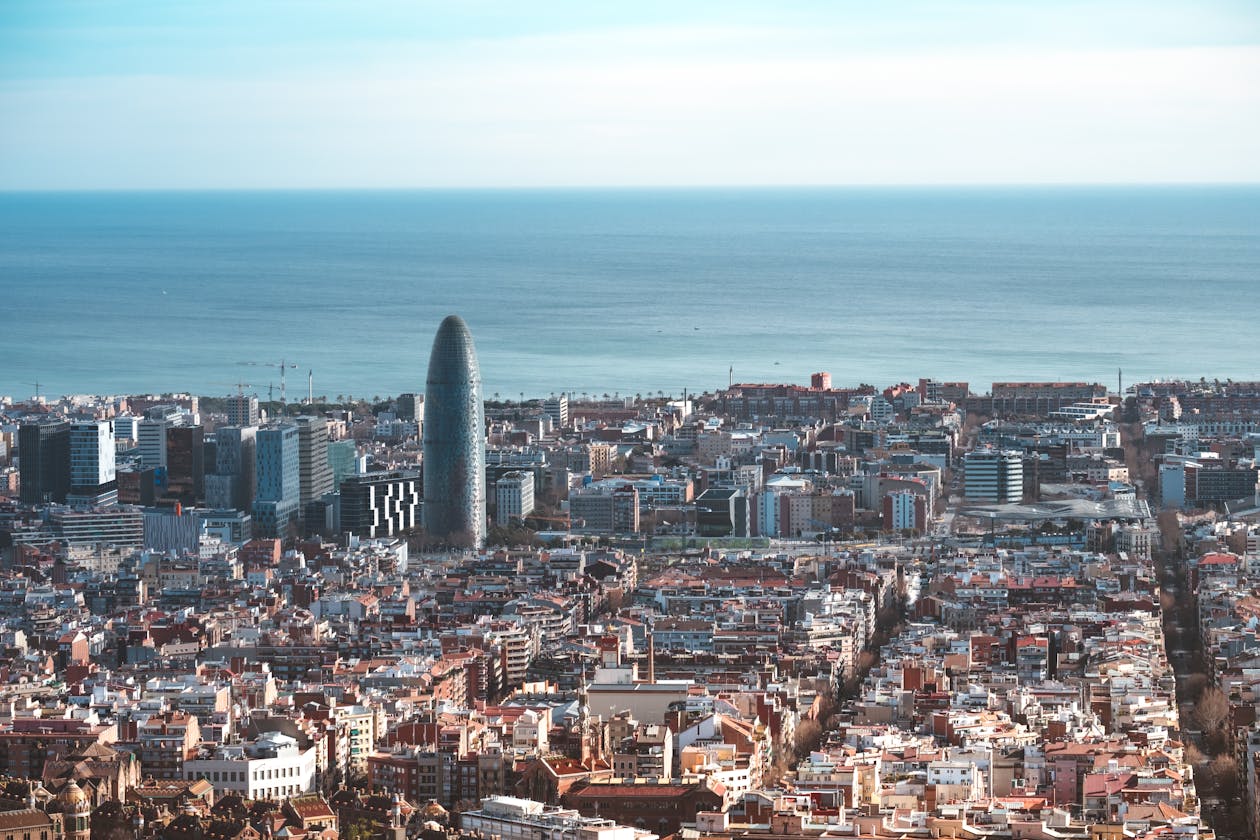
Jean Nouvel
Contemporary tower adding a distinctive technological landmark to Barcelona's wider skyline.

Jacques Herzog & Pierre de Meuron
Blue mineral-like volume marking the Forum area with a powerful contemporary presence.

Elías Torres & José A. Martínez Lapeña
Solar landmark expressing Barcelona's commitment to renewable energy and sustainable urban design.

FECSA (Enginyeria industrial)
Monumental industrial chimneys defining the metropolitan skyline beyond Barcelona's eastern coast.
Key moments that transformed Barcelona's relationship with the sea and the city
Ildefons Cerdà's revolutionary grid plan expands Barcelona beyond its medieval walls. The iconic octagonal blocks of the Eixample offer equal light, air and greenery to every resident — one of history's most humane urban interventions.
Antoni Gaudí takes over the Expiatory Temple of the Holy Family, transforming it into his life's masterpiece. Over a century later it remains under construction — a living monument to architectural ambition.
The World Exhibition transforms the Ciutadella area and inaugurates the Monument a Colom at the foot of La Rambla. The city positions itself as a modern European metropolis.
The Barcelona Olympics catalyse a radical seafront transformation. Hotel Arts, Torre Mapfre and Gehry's golden fish all arrive together — the coast reopens to the city after a century of industrial closure.
The Forum extends coastal regeneration northeastward. Herzog & de Meuron's Museu Blau and Torres & Martínez Lapeña's photovoltaic pergola define a new chapter of Barcelona's seafront.
Ricardo Bofill's sail-shaped tower rises at the tip of Barceloneta beach, reinforcing the symbolic relationship between Barcelona and the Mediterranean that runs through the city's entire architectural history.
UNESCO designates Barcelona the World Capital of Architecture — a recognition of its unparalleled heritage from Gaudí to bold contemporary practice. The story continues at sea.